Halloween Landscaping Suggestions
Transform your yard into a festive Halloween display without breaking the bank. Simple additions like carved pumpkins along walkways, faux cobwebs draped over shrubs, and strategically placed lanterns can create an inviting yet spooky atmosphere. Consider using hay bales, corn stalks, and seasonal mums to frame your entryway.
Quick Tip
Use solar-powered orange and purple string lights to outline pathways and highlight trees — they're energy-efficient and eliminate the need for extension cords.
For a more dramatic effect, create themed zones in your yard: a graveyard corner with handmade tombstones, a witch's lair near a large tree, or a friendly pumpkin patch for younger visitors. Most materials can be sourced from local craft stores or repurposed from items around the house.
Eco-Friendly Gardening Tips
Sustainable gardening practices help reduce waste, conserve water, and support local ecosystems. Start by composting kitchen scraps and yard waste to create nutrient-rich soil for your plants. Choose native plant species that thrive in your climate with minimal watering and resist local pests naturally.
- Rain barrels: Collect rainwater from gutters to irrigate flower beds and vegetable gardens.
- Mulching: Apply organic mulch around plants to retain moisture and suppress weeds.
- Natural pest control: Encourage beneficial insects like ladybugs and praying mantises by planting diverse flowering species.
- Drip irrigation: Install a drip system to deliver water directly to roots, reducing evaporation.
Low-Maintenance Garden Designs
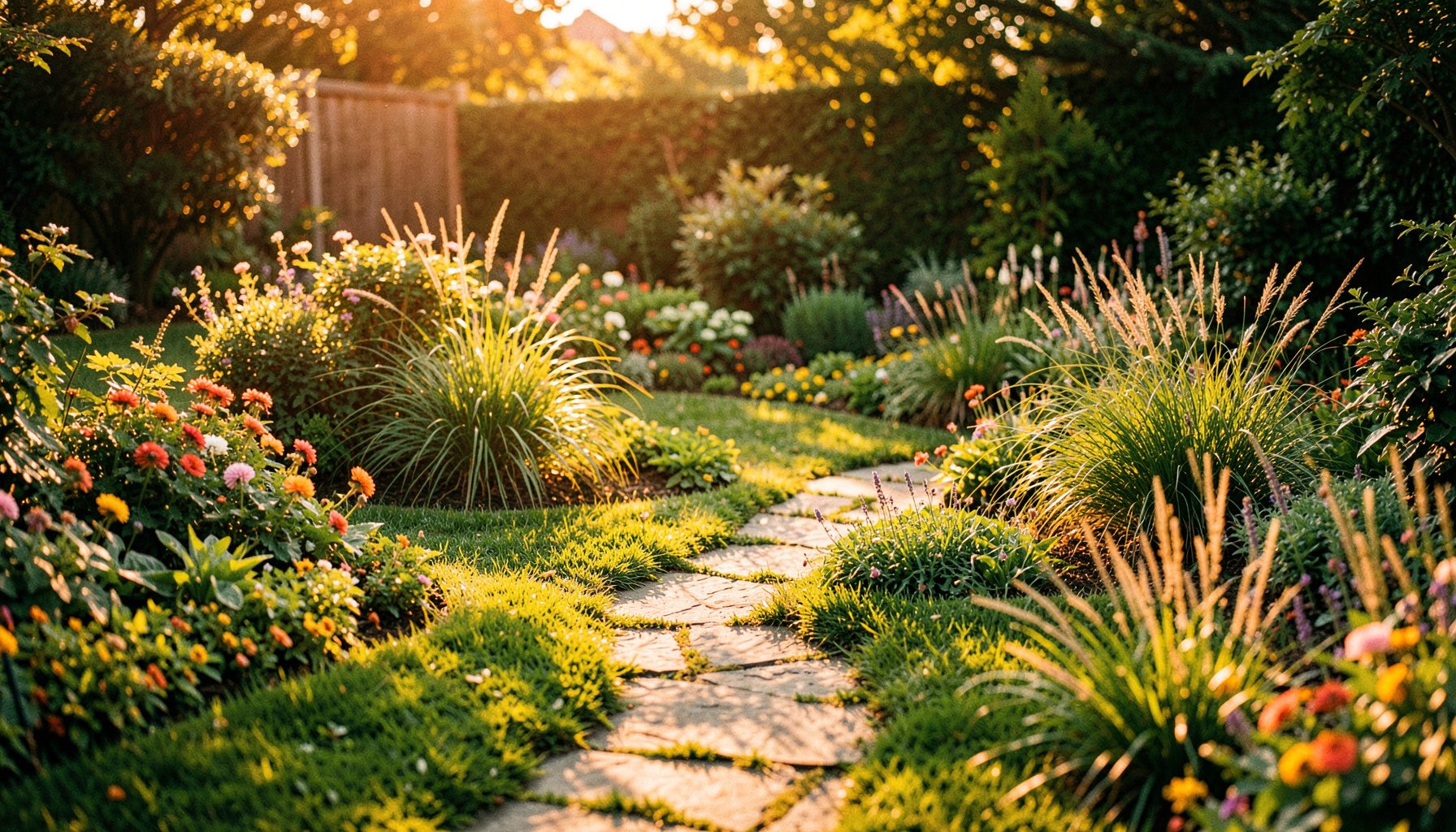
A beautiful garden doesn't have to demand hours of weekly upkeep. The key is thoughtful planning: choose perennials that return year after year, group plants with similar water and sunlight needs, and use ground covers to crowd out weeds.
7 Actions to a Beautiful, Easy Garden
1. Map out sun and shade zones before planting. 2. Select hardy perennials suited to your region. 3. Lay landscape fabric under decorative gravel or bark in high-traffic areas. 4. Install edging to keep grass from invading beds. 5. Use container plants for flexibility and easy rearrangement. 6. Set up automatic timers on sprinklers or drip lines. 7. Schedule a single monthly maintenance session for pruning and weeding.
Ornamental grasses, lavender, sedum, and hostas are excellent low-care choices that provide texture and color across multiple seasons. Hardscaping elements like stone pathways, raised beds, and gravel seating areas add structure while reducing the square footage that needs regular attention.
When planning your landscaping for Halloween, consider how lighting can transform the entire mood of your outdoor space. Subtle illumination from lanterns, string lights, or even battery-operated candles placed along walkways and near doorways creates a welcoming glow that guides guests while adding a touch of mystery. Darker corners of the yard benefit from soft uplighting against trees or tall shrubs, casting long shadows that enhance the spooky atmosphere. Mixing warm and cool-toned lights allows you to balance festivity with eeriness, and using timers ensures your display activates automatically as dusk settles in, making the transition seamless without requiring constant attention.
Incorporating natural elements into your Halloween yard design adds texture and authenticity that plastic decorations often lack. Dried corn stalks tied to porch railings, hay bales arranged as seating or display platforms, and seasonal gourds clustered near entry points create a rustic autumn feel that complements the holiday theme. Potted mums in deep orange, burgundy, and purple bring rich color that lasts well beyond the season. These organic materials can be composted or repurposed after Halloween, making them an environmentally conscious choice. Pairing these natural accents with a few well-placed carved pumpkins delivers a balanced look that feels both curated and effortless.
Top Landscaping Don'ts
Avoid these common mistakes to keep your outdoor space looking its best:
- Don't plant too close to the house: Give shrubs and trees room to grow without damaging foundations or siding.
- Don't ignore drainage: Poor drainage leads to standing water, root rot, and foundation issues.
- Don't over-fertilize: Excess fertilizer can burn plants and run off into waterways.
- Don't forget about scale: A single large tree can overwhelm a small yard; choose plants proportionate to your space.
- Don't skip the soil test: Understanding your soil's pH and nutrient levels prevents costly planting failures.